
Error E3-13, E3-14, E3-15 Daikin VRV: 5 handling decisions
Machine-translated from Vietnamese. Read the original in Vietnamese

CEO Đoàn Văn Hoàng Share 5 fault handling decisions E3-13, E3-14, E3-15 Daikin VRV: Verify causes, control costs and hand over grounded.
E3-13, E3-14, E3-15 Daikin VRV Error: 5 Decisions to Handle
When receive the system message appears E3-13, E3-14, E3-15 Daikin VRV failureI want the person in charge to answer three questions: What system is being affected? Is there a ground to determine the cause? Who is responsible for the next work?
From a management perspective, the repair plan should clarify both technical issues, cost range and conditions for putting the equipment back into use. Each proposal must help the project owner understand what he is approving and what results will be received.
I suggest organizing the handling of this group of bug codes according to 5 Decisions, from receiving the status quo to confirming the handover.
Correctly understand the range of error codes E3-13, E3-14, E3-15
Daikin ESIE18-14A documentation for VRV IV+ Heat Pump models fall under the applicable scope of description E3-13, E3-14, E3-15 are check error liquid line block valveIn the configuration of multiple outdoor units, the subcode specifies the location as follows:
| Error Code | corresponding outdoor unit |
|---|---|
| E3-13 | Main – outdoor unit |
| E3-14 | Sub 1 – outdoor unit 1st sub |
| E3-15 | Sub 2 – outdoor second sub unit |
The document describes a situation where the pressure increases rapidly during commissioning, causing the process to stop. The error code is not sufficient to conclude the valve is broken. The actual model should be compared before applying the above table.
For the manager of the work, this information should be converted into specific requirements: the technical team must confirm the correct equipment and documents used right in the dossier.
Decision 1: Assigning a focal point and clearly determining the scope of influence
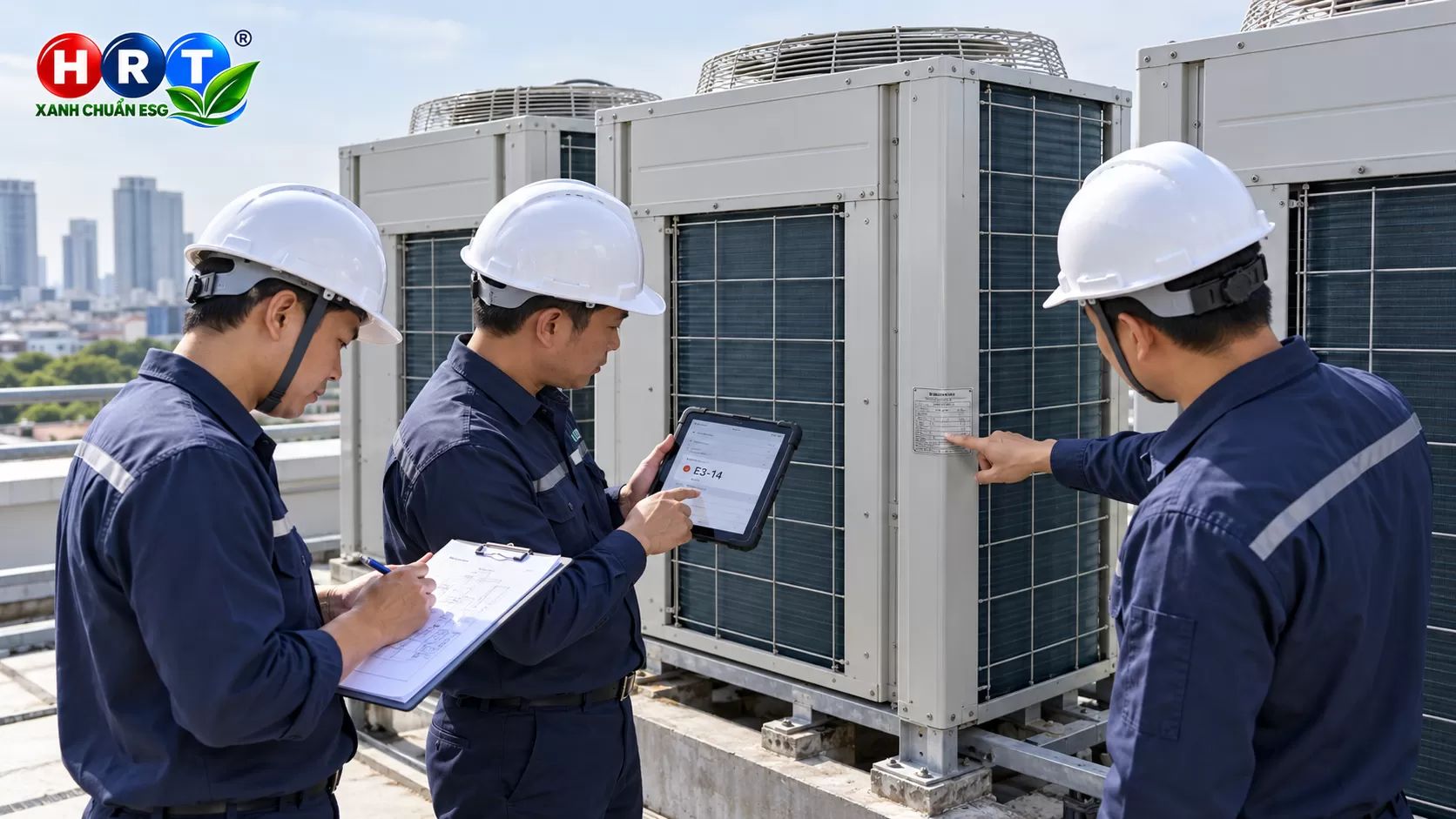
Call the correct system name to process
A report that says “air conditioning is reporting E3 error” is not enough to organize work.
I suggest the receiver to prepare information according to the system code at the work, enclosed with a photo of the machine label, full error code and installation location. With a cluster of many outdoor units, it is necessary to compare the actual configuration to identify Main, Sub 1 and Sub 2.
At the same time, it must be clear which areas the system serves, which areas are being disrupted and which parts need to be notified.
The output of the reception should be an instantly usable incident slip, rather than information scattered in calls or messages.
Clear assignment of technical and coordination responsibilities
I want each incident to have a follow-up person throughout. This person is responsible for gathering test results, updating progress and properly transferring the contents to the competent person for decision.
In addition, it is necessary to identify the person in charge of expertise to examine and confirm technical conclusions.
Before deploying, the parties should agree:
-
The receiver of information from the inspection team.
-
- Persons who certify the technical options.
-
- The persons who approve the expenses as assigned by the projects.
-
Time of reporting the next result.
A workflow with people to follow and clear milestones is easier to coordinate when incurring material, record or commissioning requirements.
Decision 2: Preparing diagnostic documentation before proposing intervention
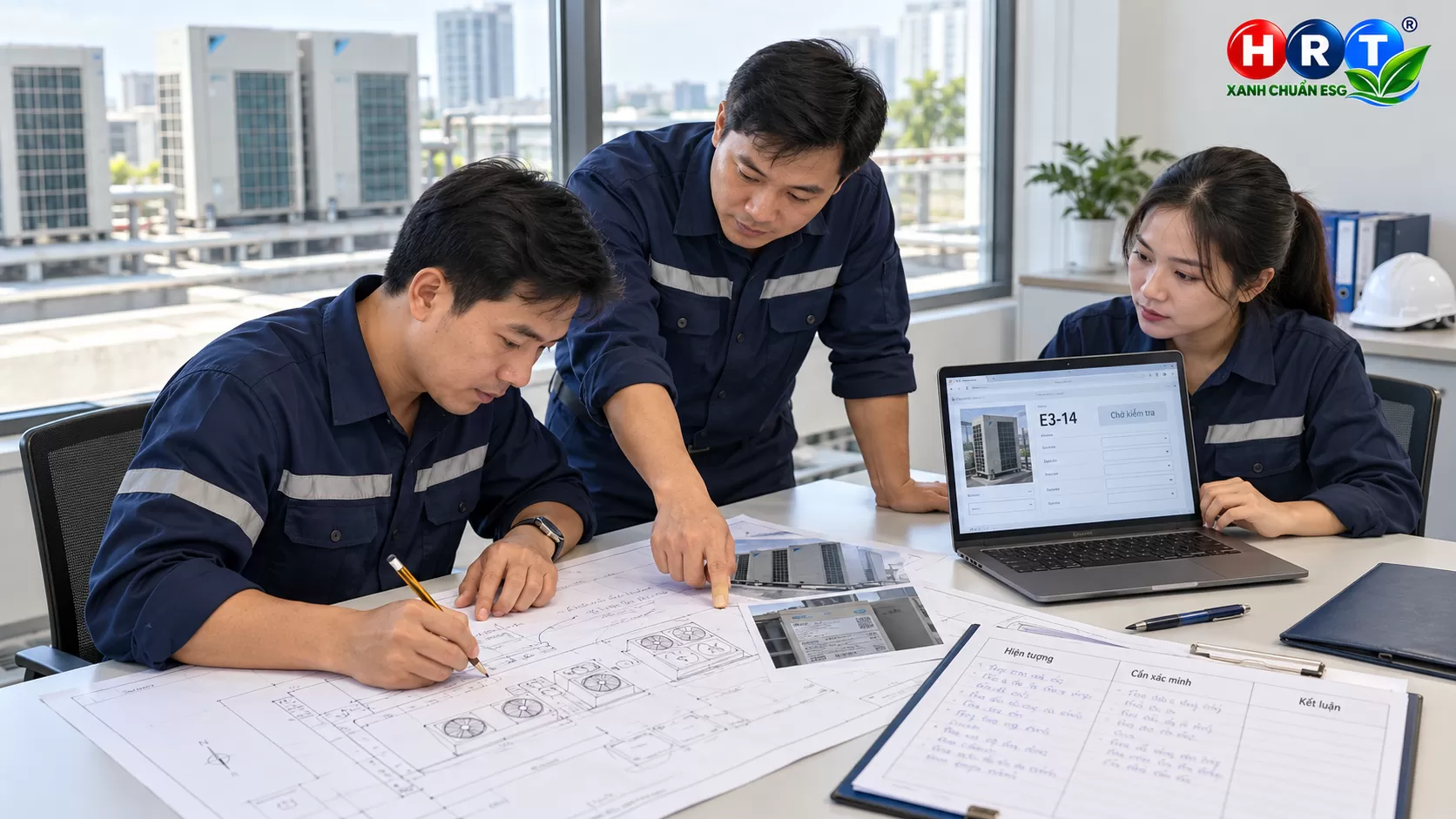
Record data with test conditions
When handling E3-13, E3-14, E3-15 Daikin VRV errors, I suggested the technical team to record when the error appeared and what work was done nearby.
Is the system commissioning after installation? Just repaired the pipeline? Just adjusted the amount of solvent? Or is it being checked again after a stop?
These questions help organize the profile according to real - world happenings.
For measurement results, the report should indicate the inspection location, conditions for implementation, methods and grounds for assessment. When there is a lack of data, it must be clearly stated the part to be supplemented so that readers know the limit of the current judgment.
Mount each suspect with a verification
According to Daikin's literature, diagnostic items include stop valve, high pressure sensor, residual fluid load, non-condensing gas or moisture, occlusion, expansion valve side condenser coil and control board. The sequence of inspection should follow the manufacturer's instructions.
To manage the results, I suggest that the report distinguish three contents:
-
Recorded phenomena: What is actually observed or measured.
-
The cause is in doubt: The assumption needs to be verified.
-
Confirmed cause: Conclusion: There are inspection results and grounds for comparison.
This will help the technical meeting focus on what to do next.
If the inspection team suspects a component, the report should clearly state what to check for confirmation. If conditions are not fully met, the person in charge should state the missing condition and an additional plan.
Each conclusion in the dossier must allow others to trace the grounds used.
Decision 3: Approval of the repair plan according to evidence and scope of costs
Separate the inspection, correction and arising work
I would recommend a troubleshooting quote that clearly demonstrates the parts of the job, especially when the cause has not been fully identified.
| Working Group | Contents to clarify before approval |
|---|---|
| Testing and diagnosis | Scope of inspection, resources needed and results to be provided |
| Fix the confirmed cause | Technical bases, materials, labor and completion conditions |
| Job arising conditionally | Situations arising, grounds for proposal and approver |
This organization helps the project owner know which expenses are for finding the cause, which expenses are spent on repairs and which part depends on the test results.
When it is necessary to expand scope, the team must update the proposal with new bases.
Clarification of the conditions for replacing components
With the proposal to replace sensors, expansion valves or control boards, I want records that answer specific questions:
What parts have been identified as abnormal? Where are the test results located? Are replacement components suitable for the equipment in use? How long is the supply and warranty conditions?
Illustration situation: A system displays E3-14, but the proposal only states “change sensor".
In this situation, the approver should require additional sensor location, test results and conclusion bases before deciding on the substitute item. If the record is not sufficient, it is necessary to close the next inspection work and the performer.
That's how I propose to control repair costs: each expense must be tied to an accountable part of the job.
Decision 4: Control Changes During Processing
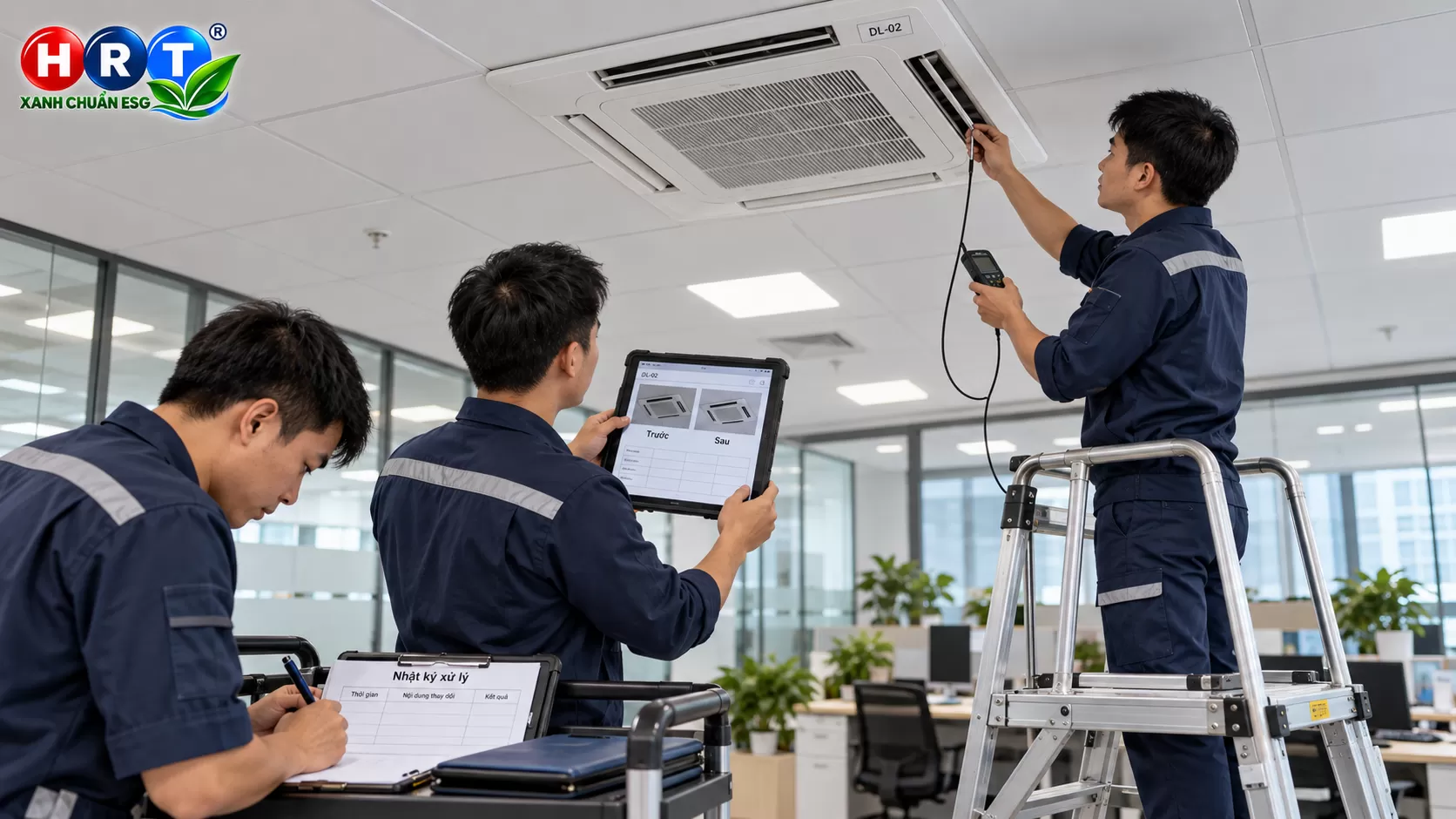
Record each intervention and its results
When the plan is approved, the person in charge needs to maintain a processing log according to the system code.
The log should show the time of the intervention, the operator, the intervention location, the changed contents and the results of the subsequent inspection. Photos, figures and material information should be saved with the record for convenient comparison.
For jobs with adjustment of the substance or change of settings, I suggest to specify the value before, value after and basis for implementation according to applicable documents.
The operations related to electricity, valves and circuits of fluid must be performed by professional personnel under the guidance of the right model and safety conditions at the work.
Update options when new data appears
During the inspection, if new data are no longer consistent with the initial assessment, the person in charge must review the plan before further intervention.
Progress reports should call the correct work status: how much verification has been done, what is being waited for, who's handling it and when the next result will come.
For example, the status “processing” should be specific to “checked completion at outdoor unit, waiting for load profile reconciliation” if that is the actual situation.
I also propose to distinguish Reporting milestone of inspection results with expected completion of repair. When the materials are still dependent or there are not enough grounds to determine the causes and progress, such conditions should be shown.
Clear commitment to conditions helps the parties proactively arrange work and assess progress.
Decision 5: Finalize the handover according to commissioning results and inspected scope
Confirm the result according to the applicable procedure
For this group of errors, Daikin requests that the cause be corrected and then re-commissioning.
Before re - inspection, I request the engineer in charge to determine the evaluation criteria according to the equipment's documents. The record should indicate which systems have been tested, implementation conditions, parameters to be monitored and results obtained.
The scope of conclusion must be consistent with the scope of inspection.
If the conditions for evaluating a content are not fully met, the dossier should clearly indicate such limit and the subsequent job. The person signing for certification must know which result he / she is certifying.
I want the conclusion to be specific enough for management to decide on the next step: accepting the operation, continuing the inspection, or requiring additional assessment conditions.
Hand over information to operation team for further monitoring
Post-processing records should help recipients know the history of incidents and how to coordinate if there are new developments.
I suggest the handover statement states:
-
Technical conclusions and documents as the basis.
-
Locations that have intervened, supplies used and changes made.
-
Conditions and results of post - handling inspection.
-
- The contents still open, the person in charge and the time limit for completion.
-
The contact and the next inspection plan are agreed.
The time and content of monitoring should be locked according to the system status, exploitation requirements and actual inspection results.
If the warning appears again, the recipient needs to record the full error code, the time and conditions of its appearance so that the technical team has data to compare with the previous record.
CEO's view Đoàn Văn Hoàng: Every repair decision must be well - grounded

To me, the quality of incident management is in its ability to clearly answer why this work is done, who is responsible and what results allow for moving on to the next step.
Spirituality True – Clear – Dedicated HRT's need to be included in each decision: understand the issue before proposing, clearly explain the scope of work and follow up until the committed contents are confirmed.
When the system meets E3-13, E3-14, E3-15 Daikin VRV failure, project owner and management should require a plan with enough people in charge, diagnostic grounds, cost range and handover conditions.
Start by gathering the camera label images, full error codes, operation status and the most recent intervention record. This is the information you should prepare when talking to your technician.
CEO Đoàn Văn Hoàng – HRT
True – Clear – Dedicated
HRT – Green Breath for All Buildings
Hotline: 0909.326.888
Website: hrt.com.vn | doanvanhoang.com
Source: Publisher’s English edition · Vietnamese original on doanvanhoang.com