
VRV Central Air Conditioning Design Service
Machine-translated from Vietnamese. Read the original in Vietnamese
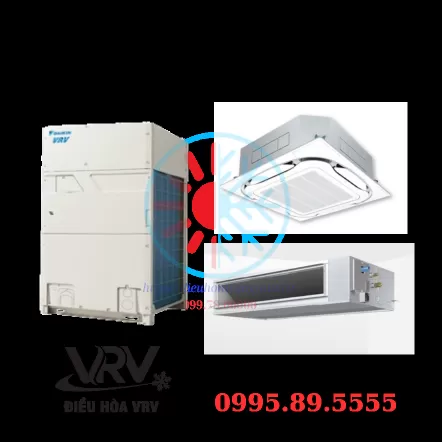
VRV Air Conditioning Design Service – The Optimal Solution For Modern Space
VRV Air Conditioning Design Service - Complete Solution For Constructions
Designing VRV (Variable Refrigerant Volume) central air conditioning system is a complex process, requiring high expertise and experience of engineers. To achieve the highest efficiency, it is necessary to follow step by step technical processes and ensure full satisfaction of safety and quality standards. Below, we will guide you in detail every step to design a VRV air conditioning system accurately and effectively.
1. VRV Air Conditioner Design Process
1.1. Receive the Drawing of Site and Analysis of Works' Characteristics
The first step in the design process is to receive site drawings and conduct surveys. Engineers need to analyze architectural, interior, structural design drawings and requirements from the project owner. This process helps determine project functions, work characteristics, and schedule planning.
1.2. Calculate and Select Indoor Unit Capacity
Calculating the area of each room and area is an important step to determine the right indoor unit capacity. Manual methods, thermal balance calculations or specialized software such as Heatload Daikin and... Trace 700. Below is the cooling load table (Btu/h/m2) for each room type:
- Living room: 700 – 900 Btu/h/m2
- Meeting room: 900 – 1200 Btu/h/m2
- Server room (Server): 1000 – 1500 Btu/h/m2
1.3. Selection of outdoor unit
The selection of outdoor unit is based on the connection ratio between outdoor unit and indoor unit. Softwares such as VRV Express or VRF can support the selection of the most optimal outdoor unit for the system.
1.4. Inspection of the cold capacity
After selecting equipment, engineers need to check cooling capacity to ensure satisfactory. If not satisfactory, it is necessary to adjust the capacity or number of equipment.
1.5. Design of gas pipe system
Next is the design of the manhole system, including calculating the length and height difference of the pipes. Ensure the pipe system is properly arranged to achieve optimal performance.
1.6. Design of control system
Engineers need to design the control system to suit the operation structure of VRV air conditioners, including how to connect control wires and remote control devices.
1.7. Design of the electromotive system
This step includes calculating and designing the electrical system, ensuring safe and stable power supply for VRV air conditioning systems.
1.8. Arrangement of equipment on architectural ground
Air conditioners must be arranged reasonably on architectural grounds to optimize the usable area and support the easy installation process.
1.9. Completing the Principle Diagram and Drawing of System
Finally, the engineer needs to complete the operating principle diagram of the gas pipe system, electrical control and detailed drawings to prepare for the construction process and acceptance testing.
2. Standards for Designing VRV Air Conditioner
During the design of VRV air conditioners, it is necessary to comply with the following technical standards:
- TCVN 5687:2010: Standards for design of air conditioning – ventilation
- ASHRAE 62.1-2010: Standards for ventilation
- SMACNA: Standards for making air duct
- TCVN 13521:2022: Standards for indoor air quality in
3. Design Support Software
Software that assists engineers in calculating and designing include:
- Heatload Daikin: Support cooling capacity
- Trace 700: Cold Productivity Calculation
- Duct Checker Pro: Help calculate air duct size and air terminal quantity
4. Frequently Asked Questions
1. What is the unit of measurement in VRV air conditioning system? Common units include: Btu/h, kW, HP, RT (US refrigeration ton). For example:
- 1 HP = 2.8 kW (cold)
- 1 RT = 12000 Btu/h
2. What factors affect the design process of VRV air conditioning system? Some important factors include:
- Type of building: house, hotel, office
- Area of use
- Geographical location: climate, humidity
- Investment Level
Conclusion
Designing VRV central air conditioners requires a combination of professional knowledge and software support to ensure efficiency and cost savings. Full compliance with design steps and technical standards will help optimize the operation of air conditioning systems in all types of buildings.
Source: Publisher’s English edition · Vietnamese original on doanvanhoang.com